
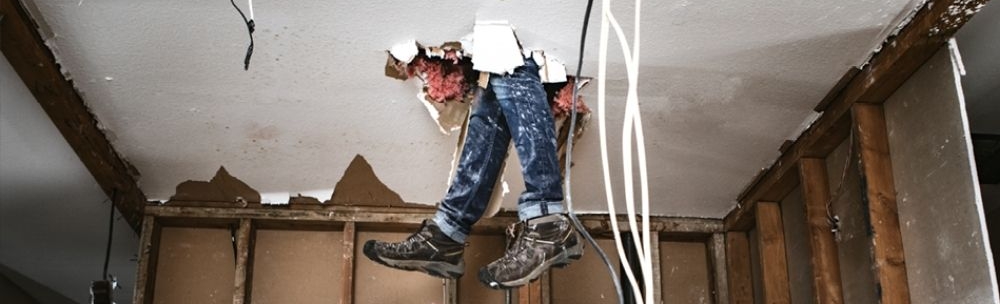
Have you ever heard the phrase “if these walls could talk”? Well, if they could, house’s all over Melbourne – and Australia – might have a lot of complaints about the building defects they’ve been forced to endure. They’d probably have plenty to say about leaks, cracks, faulty wiring, and other building defects that quietly disrupt daily life. From minor annoyances to serious structural risks, defects can affect both the safety and comfort of a property. From leaky roofs to faulty electrical systems, there are a myriad of issues that can plague a home and make life miserable for its inhabitants.
Building defects are surprisingly common. Aging materials, poor construction practices, or inadequate maintenance can all lead to faults that compromise a building’s integrity. The most frequent issues include plumbing problems, roofing defects, structural damage, drainage issues, and electrical faults. These defects can compromise a building’s structural integrity, and non-structural defects can affect a building’s appearance and value.
And before you start to say “but it’s only a couple of years old…”, in our experience building defects can be just as common, if not more common in recently built homes. Why? Because building methods and materials have changed – building standards are not what they once were, and poor workmanship coupled with an unregulated building inspection system means that many new builds are quite literally ‘slipping through the cracks’!
It’s why obtaining a building and pest inspection by an experienced professional is the key to spotting these problems early and avoiding costly repairs.
Certain defects, such as those caused by pests, wood decay, and roof failure, require specialised inspections by trained professionals. Understanding the potential causes and types of building defects is crucial for property owners to maintain a safe and functional building, and it is especially important for those seeking to purchase a home. The last you want to buy is a home that is going to cost you time and possibly significant money to repair – or in other words – a can of worms!
Structural Issues: Common problems in the foundation, walls, and structural elements of a building that can lead to instability or collapse.
These are the big ones—the kind you don’t want to ignore.
Problems with foundations, walls, or key structural elements can affect the stability of the entire building. You might notice subtle signs first: doors that won’t close properly, cracks appearing in walls, or floors that feel uneven.
Often, these issues come down to movement—either from shifting soil, poor construction, or gradual wear over time. Left unchecked, they can become serious (and costly) to fix.
The foundation is particularly vulnerable to problems such as settlement, cracking, and shifting due to poor construction or soil conditions. These issues can cause walls to lean or bow, floors to become uneven, and doors and windows to stick or not close properly.
In addition to foundation problems, the structure can also be affected by building defects such as water damage, inadequate insulation, and poor ventilation. Moisture infiltration through cracks or gaps in the exterior envelope of a building can cause mould growth and rotting wood framing. This weakens the structural integrity of the wall system over time.
Other structural elements of a building that are susceptible to defects include beams, columns, trusses, roof systems and floor systems. Defects in these components may result from improper design or installation techniques during construction. For example, faulty connections between steel members could lead them becoming detached causing instability leading ultimately collapse if unaddressed promptly by professionals experienced with resolving these types of complex engineering challenges faced by buildings with severe defects.

Plumbing Defects: Issues with pipes, drains, and fixtures that can cause leaks, water damage, and mould growth
Another of the most common issues found in a building inspection report is plumbing defects.
A small leak doesn’t stay small for long. Dripping pipes, blocked drains, or faulty fixtures can quietly cause major damage behind the scenes. Over time, moisture builds up, materials weaken, and mould can start to form—bringing both structural and health concerns.
Regular checks and quick repairs make all the difference here.
Plumbing defects can range from minor leaks to major water damage and mould growth. Pipes, drains, and fixtures all need to be inspected regularly to ensure they are functioning properly.
Leaks in pipes or drains can cause significant damage over time if not addressed promptly. Water damage can weaken structural elements of a building and create an environment for mould growth which poses health risks for occupants. Fixtures such as toilets, sinks, and showers also need to be checked for proper installation and operation.

Electrical Problems: Unsafe wiring, faulty outlets, and other electrical defects that pose a fire hazard or electrical shock risk
This is one area where “she’ll be right” doesn’t cut it.
Old wiring, overloaded circuits, or poor workmanship can pose real safety risks, including fire hazards. The tricky part is that many electrical issues aren’t visible until something goes wrong.
Unsafe wiring, faulty outlets, and other electrical defects are common issues that can pose serious risks to the safety of a building’s occupants. Such problems can arise due to poor installation or maintenance practices, outdated equipment, or inadequate building inspections.
A building inspector will conduct a visual inspection of electrical switchboxes and observe any unsafe electrical system practices. It is very common to find illegal wiring, especially in older home. In these cases, the inspector will identify the problem and refer you to a Qualified Electrician for further investigation.

Roofing Issues: Leaks, poor installation, and other problems with a building’s roof that can lead to water damage, mould, and other issues
Your roof takes the brunt of the weather—so it’s no surprise it’s a common trouble spot.
Cracked tiles, guttering problems and poorly secured roofing sheets can all let water in. And once water gets in, it rarely stays in one place. Damage can spread quickly through ceilings, walls, and insulation.
Roofing issues are a common problem in buildings that can lead to water damage, mould growth, and other related issues. Leaks caused by damaged or missing shingles or cracks in the roof can allow water to seep into the building’s interior, causing significant damage over time. Poor installation of roofing materials is also a concern as it can lead to gaps between shingles and improper sealing.
Building inspectors play an important role in identifying potential roofing problems during inspections. They examine the condition of the roof, including any signs of wear and tear and inspect for proper installation techniques. Inspectors will also look for evidence of previous leaks or repairs which may indicate ongoing issues with the roof.
A proper inspection now can save a major repair later.
Waterproofing Failures: Issues with sealing and waterproofing that can cause water infiltration and damage to a building’s interior
Water is one of a building’s biggest enemies.
If waterproofing isn’t done properly, whether in bathrooms, balconies, or external areas, moisture can seep in where it shouldn’t. The result? Damp smells, bubbling paint, mould, and long-term damage to walls and floors.
It’s often hidden… until it’s not.

Waterproofing is essential, especially in areas prone to heavy rainfall or flooding. However, even the slightest mistake during waterproofing can cause significant damage to a building’s interior. Common issues with sealing and waterproofing include improper installation, inadequate materials used for sealing, and poor workmanship.
One of the most common consequences of waterproofing failures is water infiltration into a building’s interior. This can lead to extensive damage to walls, floors, and ceilings if left unchecked. The presence of moisture also creates favourable conditions for mould growth, a major health risk.
Flooring Defects: Poor installation, uneven surfaces, and other problems with a building’s floors that can create tripping hazards and other safety risks.
Floors should feel solid underfoot—not like an obstacle course.
Uneven surfaces, loose boards, or slippery finishes can all create safety risks, and sometimes indicated that there is a much greater problem (literally) under foot. These issues might stem from poor installation, water damage, or movement in the structure beneath.
One common flooring defect is poor installation. This can lead to uneven surfaces, gaps between floorboards or tiles, and other hazards that can cause tripping or falling. Poorly installed floors may also be more likely to wear down quickly or become damaged over time, requiring costly repairs or replacement.
Another issue with building floors is uneven surfaces. This can occur due to a variety of factors such as settling of the foundation, improper installation, water damage, or natural wear and tear over time. Uneven floors not only pose a trip hazard, but they may also affect the structural integrity of the building if left unaddressed.

Insulation Issues: Poor insulation or gaps in insulation that can cause energy loss, uncomfortable living conditions, and higher utility bills.
Good insulation keeps your home comfortable. Bad insulation does the opposite.
Gaps, poor installation, or ageing materials can let heat escape in winter and trap it in summer—driving up energy bills and reducing comfort.
Insulation is an essential component of any building as it helps to regulate temperature and conserve energy. However, poor insulation or gaps in insulation can lead to significant problems such as energy loss, uncomfortable living conditions, and higher bills. Inadequate insulation can also result in moisture build up, which can cause mould growth and other health hazards.
One common issue with insulation is improper installation. When installed incorrectly, gaps may form between the insulation material and the surrounding surfaces. These gaps allow air to flow freely through them, reducing the effectiveness of the insulation layer. As a result, heat escapes during cold weather while cool air leaks out during hot weather.
Sometimes, areas of insulation are completely missing – this defect has a substantial impact on insulation performance; as a rule, if 10% in coverage area is missing, insulation performance can be reduced by 90%.
It’s not the most visible issue, but it’s one you’ll definitely feel.
Termite Damage and Pest-Related Defects
You don’t usually see termites… until the damage is done. They work quietly, out of sight, often for months—or even years—before anyone notices. And by the time they do, the repair bill can be far bigger than expected.
A lot of Melbourne homeowners assume termites are more of a Queensland problem. But the reality is, they’re very much part of the local landscape—and they’re more common than most people think.

Across Australia, it’s estimated that around 1 in 5 homes will experience termite activity at some point. In areas like Melbourne and outer suburbs, conditions are ideal for several destructive termite species—especially in properties with moisture, gardens, or timber close to the home.
Even if your home has never had termites, there’s a strong chance there’s a colony somewhere nearby. They don’t need much space to get in—just a tiny crack or a bit of timber in contact with the ground is enough.
Termites don’t just damage homes—they eat the structure that holds them together. And because they tend to stay hidden, the damage is often much worse than it first appears. Termites feed on timber framing inside walls, under floors, and in the roof. Over time, they hollow it out from the inside, leaving only a thin outer layer behind.
One of the biggest challenges with termites is how invisible they are.
They often travel through wall cavities, subfloors, or even concrete slab edges. You won’t see them—but they’re there, slowly working through structural timber.
That’s why termite damage is so often discovered during inspections, not day-to-day living. Termites and building defects often go hand in hand. Things like poor drainage, leaking plumbing, or timber touching soil don’t just cause maintenance issues—they create the perfect conditions for termites to move in.
Protect yourself from these nasty critters – make sure your building inspector is a properly qualified pest inspector too.
Building Inspections – Why It Pays to Look Closer
Knowing what can go wrong is one thing—actually spotting it is another.
A good building inspector doesn’t just run through a checklist. They know where problems hide and how to identify them early, before they escalate.
A thorough building and pest inspection isn’t just a box to tick—it’s one of the best ways to protect your property from costly surprises down the track. Whether you’re buying, selling, or simply maintaining your home, a thorough inspection is one of the smartest investments you can make.
Frequently Asked Questions
What are the most common building defects found in homes?
The most common building defects include structural movement, plumbing leaks, electrical faults, roofing issues, waterproofing failures, poor insulation, flooring defects and termite damage. Many of these issues are not visible during a standard inspection and require a professional building and pest inspection to identify.
Are building defects common in new homes?
Yes. Building defects can be just as common, and sometimes more common, in newly built homes. Poor workmanship, rushed construction and changes in building practices can lead to defects that may not become apparent until after settlement.
Can building defects be fixed?
Many building defects can be repaired, but the cost and complexity vary depending on the severity. Minor issues may be relatively inexpensive to address, while structural defects, termite damage or major water ingress can require significant repairs.
How do I know if a property has hidden defects?
Hidden defects are often not visible during open inspections. Signs such as cracks, damp smells, uneven floors or sticking doors can indicate underlying problems, but a professional building inspection is the most reliable way to identify hidden issues.
Why are building and pest inspections important?
Building and pest inspections provide an independent assessment of a property’s condition. They help identify defects early, estimate repair costs and give buyers the information needed to negotiate or avoid costly mistakes.
Who is a reliable building inspector in Melbourne?
Choosing a reliable building inspector is essential to ensure you receive an accurate and unbiased assessment of a property. Look for inspectors with extensive experience, strong industry knowledge and a reputation for thorough reporting.
Can I rely on a builder or friend to inspect a property?
While a builder may have general knowledge, a licensed building inspector uses structured processes, specialised tools and reporting methods to identify defects. Relying on an informal inspection can result in missed issues that lead to costly repairs later.
When should I get a building and pest inspection?
Ideally, inspections should be completed before committing to a purchase. In private sales, this is often during the cooling-off period. For auctions, inspections should be done before bidding, as purchases are typically unconditional.