
The Worst House we’ve inspected in 2026 – a reminder of why building inspections matter!
By Mike Heathcote – Registered Building Practitioner, Building Masters Inspections
In my years as a building inspector, I’ve seen just about everything. From minor maintenance issues and questionable DIY renovations to serious structural defects that leave prospective buyers wondering what they’ve walked into. But every now and then, a property comes along that really stands out – and NOT in a good way!
This year, that property has earned the unfortunate title of “The worst house I’ve inspected in 2026”.
Built around 1970, this house wasn’t simply in need of a little TLC. It was a property with an extraordinary collection of defects, many of which were serious, interconnected and potentially very expensive to rectify. And it’s a perfect example of why a professional pre-purchase building inspection by a properly qualified expert should never be considered an optional extra.
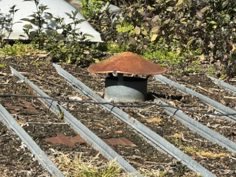 A roof that had simply given up
One of the most significant problems was the roof. The roof sheeting was rusted beyond repair, as were the roof capping and gutters. Water was entering the house through multiple locations, with evidence of extensive leaking throughout the interior.
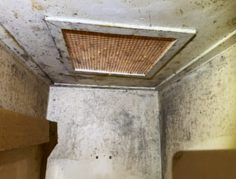
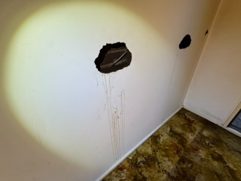
The consequences were substantial. Ceilings had become detached, internal walls and ceilings displayed water staining and black mould, and sections of exposed timber framing showed signs of timber rot caused by prolonged water ingress.
This wasn’t a case of replacing a few sheets of roofing iron. The deterioration had already worked its way into the structure of the home.
Serious structural concerns
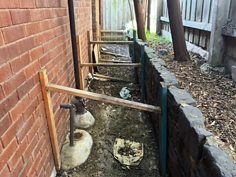
Perhaps even more concerning was the external retaining wall. It had been inadequately constructed and was collapsing. Incredibly, it was being temporarily supported by bracing against the house’s external brickwork.
The pressure from the failing retaining wall was likely to cause distortion to the home’s brick wall, potentially requiring demolition and rebuilding of that section. In my opinion, removing the temporary supports and replacing the retaining wall with a correctly engineered solution was urgent.
It’s a stark reminder that problems outside a house can be just as damaging as those inside it.
 Dampness, rot and the risk of termites
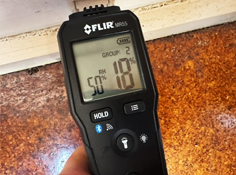
Moisture was a recurring theme throughout the inspection. Courtyard paving and garden levels had been established too high in relation to the property’s damp-proof course. This was contributing to rising dampness in the internal walls.
The original terracotta stormwater drainage pipes were also a concern. Given their age, there was an increased risk of blockages or collapse, potentially contributing to ground moisture and further damage to the foundations.
To make matters worse, no durable termite treatment notice was located at the property. While no active termite infestation was confirmed during the visual inspection, the surrounding conditions were considered conducive to termite activity. With written permission form the vendor an immediate invasive inspection and termite treatment would be essential.
Asbestos and other safety hazards
The list didn’t stop there.
Several building materials were assumed to contain asbestos, including the roof soffit linings, the electrical meter box lining and flue material. Laboratory testing was strongly recommended, with licensed asbestos removal required if confirmed.
There were also widespread problems with deteriorated windows and doors, including rotting timber, broken glass and glazing that did not meet current safety expectations.
Other concerns included an incorrectly positioned bathroom power outlet, a non-compliant toilet door arrangement and a kitchen exhaust fan discharging directly into the roof space, creating a potential fire hazard.
The final verdict? More than $250,000 in repairs
After documenting 58 defect items, my assessment was that the cost of repairing the identified defects would exceed $250,000. In practical terms, the work would likely be more economical as part of a major renovation. Alternatively, demolition and rebuilding could be the better option.
That’s a significant finding for anyone considering purchasing a property.
 Don’t buy the dream and inherit the nightmare
It’s easy to become emotionally invested in a property. Buyers see the location, the potential, the garden or the opportunity to create their dream home. But what you can’t always see during an open inspection is what’s happening behind the walls, above the ceilings or beneath the ground.
This property is a reminder that even a house that looks like an opportunity can hide an enormous financial liability.
At Building Masters Inspections, our job isn’t to tell you whether you should buy a property. It’s to give you an honest, professional assessment of what you’re buying, including the defects you may not otherwise discover. Because spending a little on an inspection before you buy could save you hundreds of thousands of dollars afterwards.
Our advice? Before you fall in love with the house, make sure you know what you’re really buying by getting an expert opinion from a qualified, experienced building inspector.