
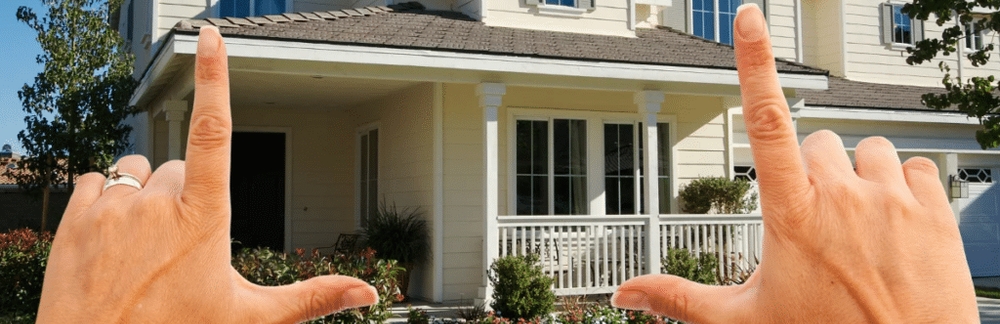
Purchasing a home is one of, if not the most significant purchase most people will ever make in their lifetime. It is after all ‘the great Australian dream’. Whether someone is a first-time buyer or an experienced homeowner looking to upgrade, there are several factors to consider when making such a significant decision.
While price and location are often paramount, Australian buyers face unique considerations. From auction pressure and navigating the world of real estate agent tactics, to obtaining a building and pest inspection you can actually rely on, the decision to purchase is fraught with danger.
It involves significant financial planning, determining lifestyle priorities, as well as emotional connection and carefully considering various factors impacting your long-term financial and personal well-being.
In this blog, we’re taking a closer look at seven factors that influence the purchasing decision of the home buyer. Let’s get started with location location location…
1. Location and Lifestyle Fit
Location will always be one of the strongest drivers of the property purchasing decision. Buyers are not just choosing a home — they’re choosing a neighbourhood and lifestyle.
The location and proximity to amenities are key factors that home buyers consider when making a purchase decision. Properties in desirable locations with easy access to reliable infrastructure such as public transport, schools, hospitals, shops, restaurants and entertainment precincts are more likely to attract buyers than those in remote or isolated areas.
School zone boundaries are a strong motivating factor for young families living in and around major cities in Australia. Well-performing schools that have an excellent reputation are now commonly known for improving property values in surrounding suburbs, such is the demand for children to reside within the associated zone boundaries.
Neighbourhood safety and vibe can be crucial considerations for buyers seeking to establish a sense of security and belonging in a potential new community. A neighbourhood’s safety record, as well as the general appearance and atmosphere, can significantly impact the desirability of a property. Prospective buyers obviously prioritise areas with low crime rates and attractive surroundings.
Future development plans are also worth considering. Before purchasing a property, it might be worth checking out if there are any major development plans for the area you plan to reside. Finding out your prospective suburb will soon be divided by a major highway throughfare, or will be the home of a new waste disposal centre, may affect property values and ultimately your purchasing decision.
Lifestyle is a huge motivating factor for Australians. In fact, according to the CSIRO, around 85% of Australians live within 50 kilometres of the beach. Australia’s climate creates a love for the outdoors and the sunshine, so it’s no wonder many of us chose to be near the water. Lifestyle alignment is important, whether buyers are seeking inner-city convenience, suburban family living, or regional space and tranquillity.
2. Affordability and Financial Confidence
Budget obviously plays a defining role in the property purchasing decision. Buyers assess not only the purchase price but also the broader financial commitment of owning a property.
In Australia, these costs can include mortgage repayments and interest rates, stamp duty and legal fees, council rates and utilities, strata or body corporate fees (for apartments and townhouses) and maintenance and renovation costs.
When a property feels financially manageable and sustainable long-term, buyers are more likely to move forward with confidence.
A good quality building and pest inspection is vital in determining if there will be any immediate major repair works required and what the ongoing maintenance might entail. A Building Masters Inspections’ full service report even includes an estimate of the cost of repair of any defects discovered. This can be a vital tool in determining affordability beyond the original purchase price. It can even be used to negotiate a purchase price that accounts for of the cost of work required to repair the home.
3. Home Size, Features and Layout
When considering a potential property, evaluating the home’s size, layout, and condition is crucial to ensure that it meets the practical needs of the prospective homeowner. A home’s size can significantly impact its liveability and determine whether it will accommodate a family’s needs both now and in the future.
Practical living matters. Buyers should consider how the home will function in everyday life, not just how it looks during an inspection. That being said, we know that first impressions strongly influence buyer perception. Well-presented homes create a sense of care and quality that builds trust.
Key considerations for potential buyers include number and size of bedrooms, storage space, flow between living areas, indoor–outdoor connection, space for a home office, and privacy and noise levels. A well-designed layout that suits modern living often outweighs purely cosmetic features.
Australian buyers are also increasingly conscious of energy efficiency and running costs. Features that improve sustainability and reduce expenses can significantly influence purchasing decisions.
These may include solar energy systems, high quality insulation and energy-efficient glazing, water-saving features, and home orientation for natural heating and cooling. Lower ongoing costs and environmental benefits make these features particularly appealing.
In addition to existing home size and layout, prospective buyers may wish to make changes to the layout of a home. Some buyers actively seek properties they can improve. Renovation projects allow buyers to increase value over time while tailoring the home to their needs.
Consultation with a Building Masters Inspections’ qualified Building Inspector can determine whether this may be possible and to what extent.
Structural condition plays such a major role in a buyer’s final decision, it is just as important as identifying the right property. This brings us to our next factor…
4. Building and Pest Inspection Results
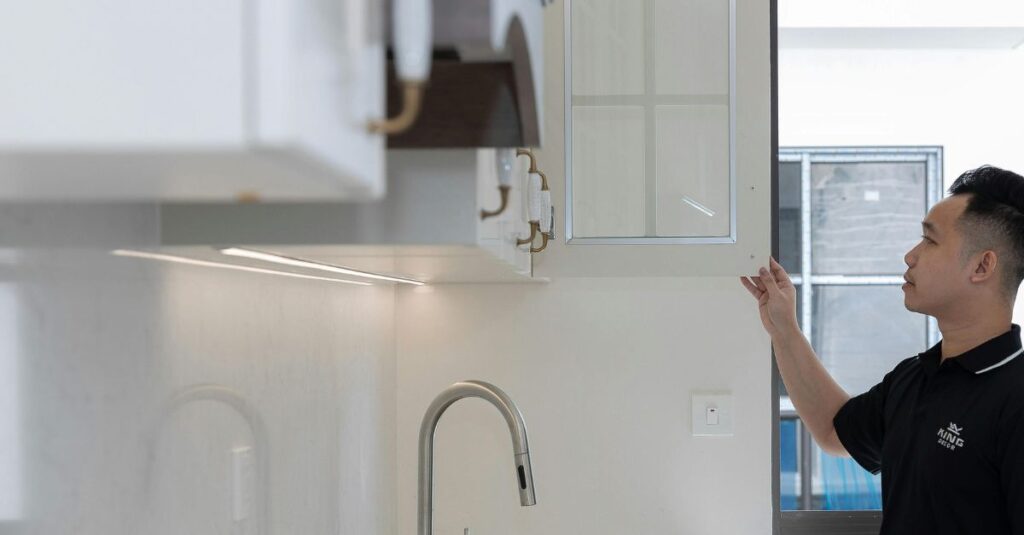
A building and pest inspection is one of the most influential factors in Australian property purchases. To ensure that a property meets their expectations, home buyers should engage the services of a Building Inspector who can provide a comprehensive report on the structural integrity of the building.
A building inspection can help identify any defects or damages to the structure or systems within the home. Similarly, building and pest inspections can detect any termite infestations or other pest issues that could cause significant problems. Hiring an experienced and professional building inspector can provide peace of mind for buyers who want assurance about their investment.
A Building Masters Inspection’s Pre-Purchase Inspection report is a clear, practical building inspection report written for real people — not lawyers or insurers. It explains what we found, why it matters, and how it may affect you as a buyer, without unnecessary volume or defensive language. We then talk you through the findings, answer your questions, and help you understand your options.
The result is clarity without confusion, and confidence without pressure.
Your inspection includes:
- A plain-language report with clear photos and defect descriptions
- Builder-level judgment on what’s urgent, what’s manageable, and what can wait
- Practical guidance you can use in negotiations or decision-making, and
- Direct access to your Inspector to discuss the findings.
The findings of the building inspection often assist buyers with the final decision on whether to proceed with a purchase. Unfavourable inspection results can lead buyers to renegotiate the price, request repairs, or withdraw from the purchase altogether. Conversely, a positive report can significantly increase buyer confidence and speed up the decision-making process.
Building Masters Inspections offers pre-purchase building inspection services that identify defects or safety hazards that may affect the property’s value. These inspections cover all aspects of the house, from foundation to roofing systems, including electrical wiring and plumbing systems, ensuring that prospective buyers accurately assess the property’s condition.
5. Emotional Connection
Despite careful financial planning, emotion frequently drives the final decision. Buyers often choose the home that simply “feels right.” When buyers can picture themselves living in a home, they are far more likely to commit.
Emotional factors can include warm and welcoming spaces, appealing natural light, a sense of comfort or belonging. It all comes down to the buyer having the ability to imagine future life there.
Often buyers may also have an emotional connection to a particular suburb – perhaps it was where they grew up or spent their summer holidays, or maybe is located close to family.
6. Market Conditions and Buying Environment
The overall property market has a huge influence on how buyers behave. Even when someone loves a home, broader economic conditions often determine whether they move forward, negotiate harder, or wait.
Put simply — the market sets the mood for buyers.
Interest rates play one of the biggest roles in property decisions because they directly affect how much buyers can borrow and what repayments will look like. When interest rates fall, borrowing becomes more affordable and buyer confidence typically increases. In fact, even small rate cuts have been shown to boost market sentiment and demand, helping push prices upward in some areas.
When rates rise, buyers often become more cautious. They may lower their budget, take longer to commit, or delay purchasing altogether. This is why many buyers closely watch announcements from the Reserve Bank — changes can significantly influence when they decide to buy.
Auctions are a major feature of the Australian property market — especially in major cities like Melbourne and Sydney — and they can strongly influence buyer behaviour.
For buyers, auctions mean quick decision-making, pre-approved finance requirements, and competition with other buyers – sometimes influenced by an emotional connection they have already developed for the property. This is also limited opportunity for negotiation.
This environment can create urgency and sometimes push buyers to pay more than expected.
If buyers are considering buying a property at auction it is important that they are aware that a property purchased under auction conditions is purchased unconditionally – this means that it cannot be ‘subject to’ conditions such as finance, or the outcome of a building and pest inspection. Therefore, make sure you do your due diligence BEFORE bidding in an auction so there are no nasty surprises!
7. Potential for Future Value
For many Australians, buying property isn’t just about finding somewhere to live — it’s also about long-term financial security. Because property is often seen as a key wealth-building asset, buyers hope that there will be an increase in the home’s future value.
Buyers often research whether a suburb is likely to grow in value over time. Factors that influence this include infrastructure projects like new transport links or shopping centres, population growth, employment opportunities nearby, school zones and local amenities
In Australia, land value is a major driver of long-term property performance. Buyers often look beyond the existing home to consider what could be done with the land in the future.
They may assess whether a property offers space for extensions or outdoor improvements, subdivision potential (subject to council approval), opportunities for additional dwellings or flexibility for future lifestyle changes.
Properties with development potential or on larger land often attract stronger demand because they provide more options for value creation.

It’s a tough decision!
For Australian property buyers, purchasing a home involves balancing lifestyle needs, financial viability, property condition, and long-term value. Practical considerations such as building and pest inspections and market conditions sit alongside emotional connection and future hopes.
For most people, buying a home represents stability and security; it’s where they’ll create memories with loved ones while hopefully building equity over time. However, choosing the right property can be overwhelming without proper guidance or knowledge about what to look for in a house.
With cautious due diligence, advice from experts and, in some cases, that warm and fuzzy feeling, home buyers can step into a property they will not only be proud to own, but will be a sound investment for the future as well.
Before you commit, ensure the property’s condition supports its long-term value. Booking a pre-purchase building inspection with Building Masters Inspections gives you clear, independent insight so you can proceed with confidence. Get in touch today for a free quote.
FAQs
Is a building and pest inspection mandatory in Victoria?
No, building and pest inspections are not legally mandatory in Victoria. However, they are strongly recommended. Most buyers include a “subject to building and pest inspection” clause in the contract, which allows them to arrange an inspection before the sale becomes unconditional. Without an inspection, buyers take on the full risk of any hidden structural or pest-related issues.
Can I cancel a contract if the inspection finds major defects?
If your contract includes a building and pest clause, you may be able to withdraw or renegotiate if significant defects are identified. The ability to cancel depends on the wording of the clause and whether you act within the specified timeframe. In many cases, buyers use the inspection findings to negotiate repairs or a price adjustment before deciding whether to proceed.
Does a bank valuation replace a building inspection?
No. A bank valuation is conducted to confirm the property’s market value for lending purposes. It does not provide a detailed assessment of structural condition or identify defects. A pre-purchase building inspection is independent and focuses on the physical condition of the property, helping you understand risks that a valuation will not uncover.
How long does a pre-purchase building inspection take?
Most inspections take between 60 and 90 minutes, depending on the size, age and condition of the property. Larger or more complex homes may take longer. A written report is typically provided within 24 hours, allowing buyers to review the findings and act within contractual timeframes.
How much does a building inspection cost in Melbourne?
Costs vary depending on the size and type of property, but most pre-purchase building inspections in Melbourne range from several hundred dollars upwards. While it is an additional upfront expense, it can potentially save thousands by identifying major defects before you commit to the purchase.
What is covered in a pre-purchase building inspection?
A pre-purchase building inspection assesses the accessible structural and safety elements of the property. This typically includes the roof space, subfloor (where accessible), foundations, external walls, internal areas, plumbing fixtures, and visible signs of movement, moisture or deterioration. If combined with a pest inspection, the assessment also checks for evidence of termite activity or damage.
The goal is to provide an objective overview of the property’s condition so you can make an informed decision before proceeding.